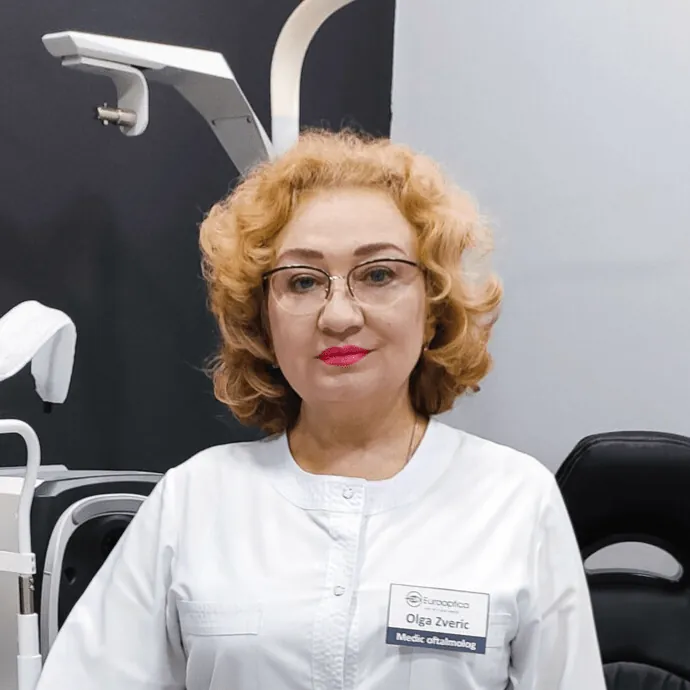
Why more and more children wear glasses: the myopia epidemic
The number of children with myopia has doubled in the last 30 years. We examine the causes and what we can do.
Read →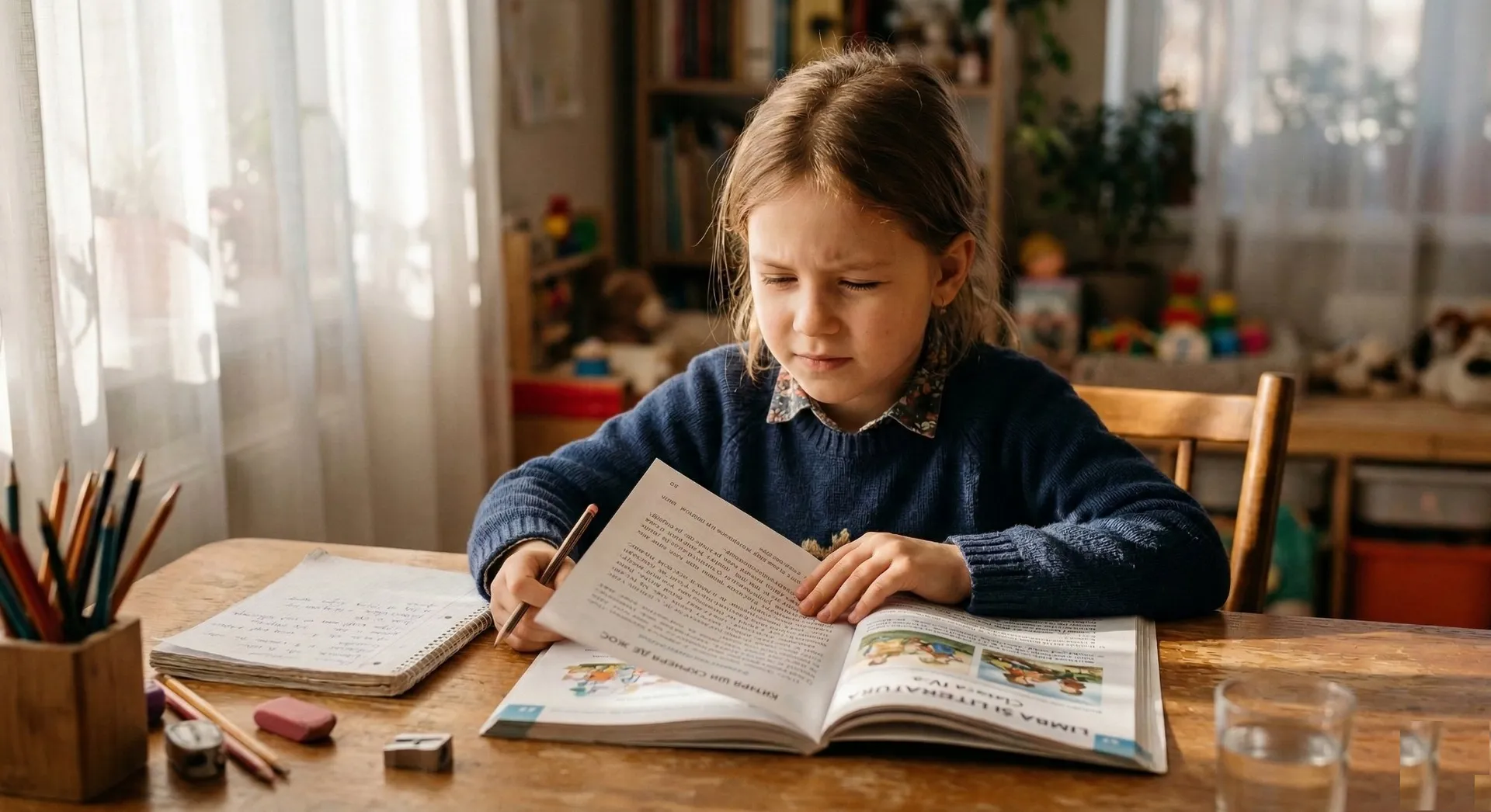
Every third child in the world already suffers from myopia. In Moldova the situation is no better. Learn how to protect your child's vision.
Informational portal about children's vision • Based on WHO data and international research

of children worldwide suffer from myopia
of the population will be myopic by 2050
increase in incidence after the pandemic
average rate of progression without control
In Moldova, exact statistics on childhood myopia are not yet collected at the national level, but ophthalmologists note a steady increase in the number of consultations. According to specialist estimates, the situation corresponds to general European trends.
Sources: Holden et al., Ophthalmology 2016; WHO World Report on Vision 2019; Klaver et al., British Journal of Ophthalmology 2020
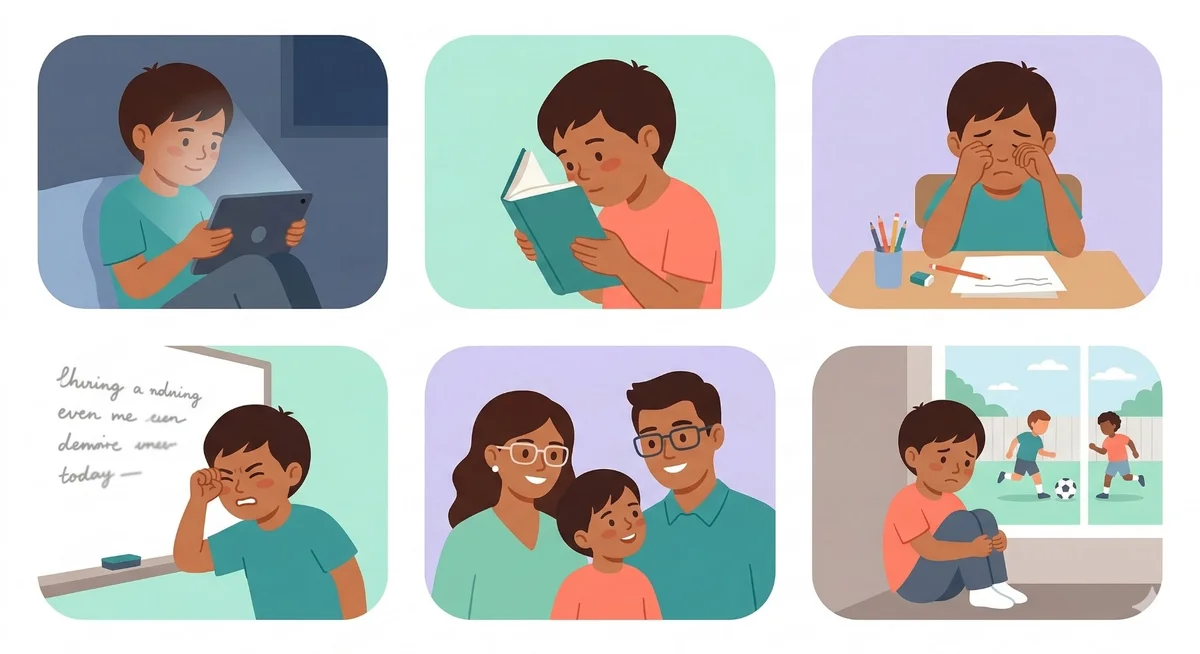
Check the situations you observe in your child
For now it's not critical
You noticed 1 sign out of 6. This does not necessarily indicate myopia, but it is worth monitoring and following prevention rules.
Prevention RulesWorth paying attention
You checked 2 out of 6 signs. We recommend assessing the risk of myopia with our test.
Take the Risk TestYour child has an increased risk of developing myopia
You checked out of 6 signs. We recommend an ophthalmological consultation for early diagnosis.
Book an Eye ExamMyopia (nearsightedness) is not simply "poor distance vision." It is a condition in which the eyeball grows faster than normal, and the image focuses in front of the retina rather than on it.
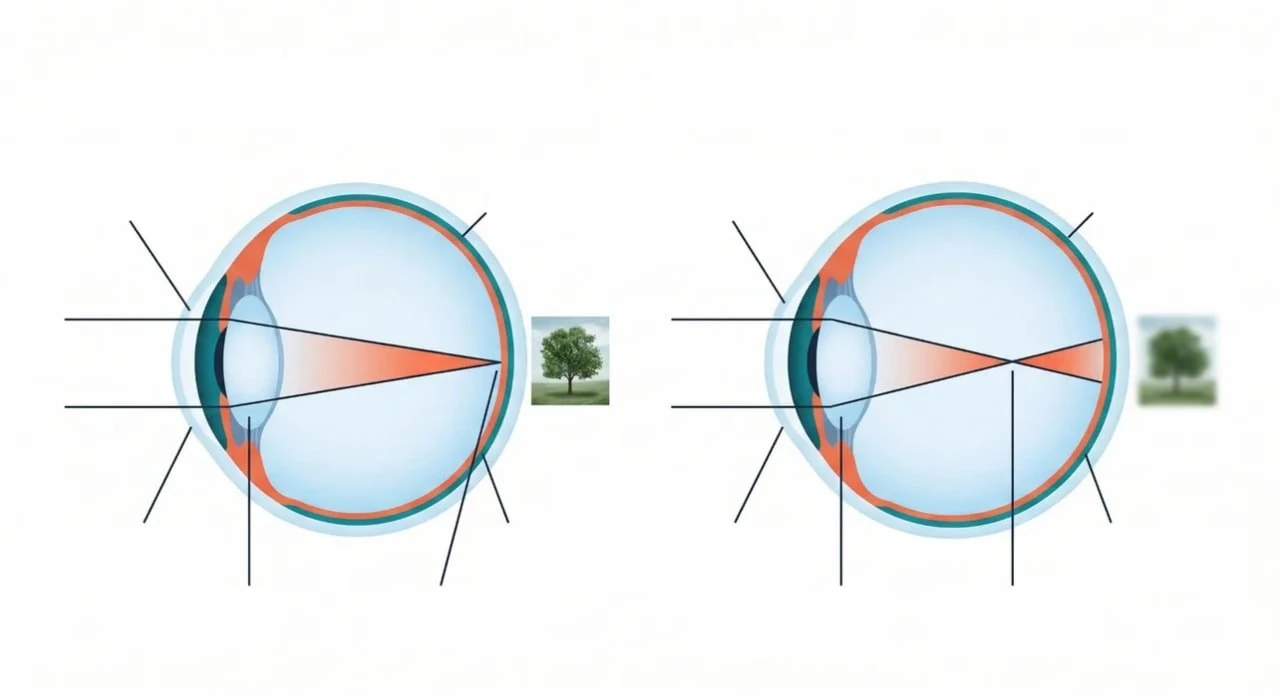 Normal vision
Myopia (nearsightedness)
Cornea
Retina
Cornea
Retina
Lens
Focus
Cornea
Retina
Cornea
Retina
Lens
Focus
Normal vision
Myopia (nearsightedness)
Cornea
Retina
Cornea
Retina
Lens
Focus
Cornea
Retina
Cornea
Retina
Lens
Focus
Heredity influences the risk of developing myopia, but a child's lifestyle can both amplify and reduce this risk
Low genetic risk, but a modern lifestyle can increase it
Medium risk. Progression is on average +2.04 D higher than in children without heredity
High risk. Progression is on average +2.59 D higher. Control is especially important
Important: even if there are no people with myopia in the family — a modern lifestyle (electronic devices, little time outdoors, heavy schoolwork) creates the risk of myopia developing in any child.
Source: Mutti et al., Invest Ophthalmol Vis Sci 2002; Jones et al., Invest Ophthalmol Vis Sci 2007
Four main factors contributing to the growth of myopia in children
Research shows that each additional hour of close-up work per day increases the risk of developing myopia by 2%.
Children in Moldova, like across Europe, spend an average of 4-6 hours a day in front of screens. During the pandemic, this time increased by another 2-3 hours.
Natural sunlight stimulates the production of dopamine in the retina, which slows down eye growth.
A minimum of 2 hours per day outdoors reduces the risk of developing myopia by 30-50%. This is the simplest and most proven prevention method.
In countries with intensive educational systems (South Korea, Singapore) myopia reaches 80-90% of students.
Prolonged close-up work without breaks is one of the strongest progression factors. The 20-20-20 rule: every 20 minutes, look for 20 seconds at an object 20 feet (6 metres) away.
Research from China showed that after the 2020 lockdowns, the incidence of myopia among 6-year-olds increased threefold.
More screen time + fewer walks + distance learning = ideal conditions for myopia development. The consequences of the pandemic are still observed by doctors today.
Correction and myopia control are not the same thing. Regular glasses help with vision, but do not stop eye growth. Modern control methods slow progression by 40-67%.
Regular glasses and lenses
Correct vision but do not influence eye growth. Myopia continues to progress.
Myopia control methods
Special lenses and therapy slow eye elongation, reducing progression by 40-67%.
40-67% slowing of progression
According to international clinical studies, with a correctly selected control method.
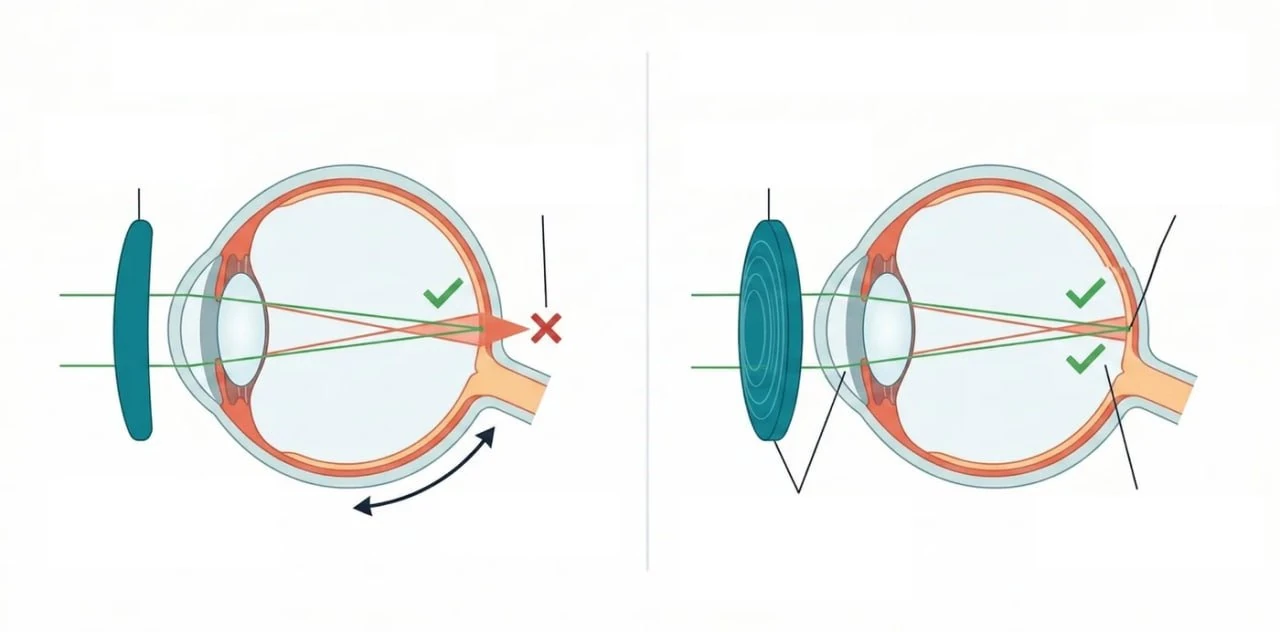 Regular lens
Myopia control lens
Single-focus
Regular lens
Myopia control lens
Single-focusDiagram of the working principle of myopia control lenses
The choice of method depends on the child's age, the degree of myopia and lifestyle. Prescription — only after a comprehensive eye exam.
The choice of method — only after a comprehensive exam by an ophthalmologist
Experienced ophthalmologists specializing in the diagnosis and control of myopia in children
Simple habits that will help preserve vision
Every 20 minutes of close-up work — look for 20 seconds at something 20 feet (6 metres) away.
At least 2 hours per day outdoors in daylight. This reduces the risk of myopia by 50%.
Book, notebook and screen — no closer than 30 cm from the eyes. Use the "elbow length" rule.
The workspace must be well lit. Light from the left for right-handers, from the right for left-handers.
Up to 2 hours of entertainment screen time per day. Smartphones are more dangerous than TV — the screen is closer to the eyes.
Children aged 6-17 need an annual eye exam, even if they have no vision complaints.
If your child squints, complains of headaches or sits closer to the screen — book an appointment with an ophthalmologist.
6 simple questions will help you assess the risk of myopia development. The test takes no more than 2 minutes.
Expert materials for parents
The number of children with myopia has doubled in the last 30 years. We examine the causes and what we can do.
Read →How much screen time is safe for children's eyes? A review of the latest research and expert recommendations.
Read →Research shows that 2 hours outdoors cuts the risk of myopia in half. How to organize walks during the school year?
Read →We will call you back within 30 minutes during business hours
Request sent!
We will call you as soon as possible.
Leave your number — we will call back within 30 minutes and arrange a convenient time.
Complete vision diagnostics for your child with modern equipment.
Doctors with over 15 years of experience in pediatric ophthalmology and myopia control.